
Best Ways to Secure Loans for the Unemployed with Bad Credit Today
Last updated: 2026-10-16
Losing your livelihood can feel like a punch to the solar plexus. One day you are cruising along, and the next, you are staring at a pile of mounting invoices that simply do not care about your sudden joblessness.
When that regular income stops hitting your bank account, the anxiety of keeping your home can become truly paralyzing. It is like trying to hold back a flood with nothing but your bare hands.
This struggle is not merely a minor lifestyle adjustment; it is a fight for your fundamental survival. You are essentially trying to navigate a storm while keeping your head above water.
Monthly rent and the electric bills that keep your house functioning become massive weights on your shoulders. Without a steady stream of cash, your very sense of safety is under constant siege.
Closing that financial gap is a daunting mountain to climb, requiring a precision-tuned balancing act. You must figure out how to survive the immediate crisis without completely sabotaging your long-term fiscal health.
The path grows even steeper if your credit report is less than pristine. If your score is low or your employment history shows gaps, major banks will likely slam the door shut.
To a typical lender, a lack of work looks like a high-speed collision waiting to happen. Their computer systems often flag you as a major risk and issue an instant “no.”
We have curated a list to identify which lenders are actually willing to provide solutions. These companies offer real paths for those navigating these choppy economic waters during 2026.
- Avant
- Upgrade
- FastLendGo
- Wells Fargo
- NetCredit
- OneMain Financial
Our Selection Criteria
Finding the right lender requires peering beneath the surface of flashy marketing. We prioritized the velocity of fund disbursement and the flexibility found within the application journey. For those currently between jobs, the ability to submit bank statements rather than traditional pay stubs is a game-changer. It often marks the boundary between a successful application and a cold rejection.
Our team investigated how providers verify earnings via third-party data aggregators. This method acts as a safety net for freelancers or those with fluctuating monthly income. It shifts the focus from “do you have a boss?” to “are you capable of repayment?” This nuance is vital for financial stability.
Honesty in terms is also a non-negotiable factor. A lender might promise lightning-fast cash, but predatory interest rates merely postpone a financial crisis rather than solving it. While a tiny monthly payment looks enticing, a 72-month term might force you to pay back double the original loan. We sought a sweet spot between credit accessibility and fair repayment terms.
| Provider | Funding Range | Rates/Terms | Disbursement Speed | Credit Profile |
|---|---|---|---|---|
| Avant | See website | See website | See website | Bad Credit Options |
| Upgrade | Up to $50,000 | See website | Fast funding | See website |
| FastLendGo | $500 – $5,000+ | See website | Quick access | Bad/Fair/Good |
| Wells Fargo | See website | See website | See website | Traditional Requirements |
| NetCredit | Up to $10,000 | See website | Same-day available | Advanced Algorithms |
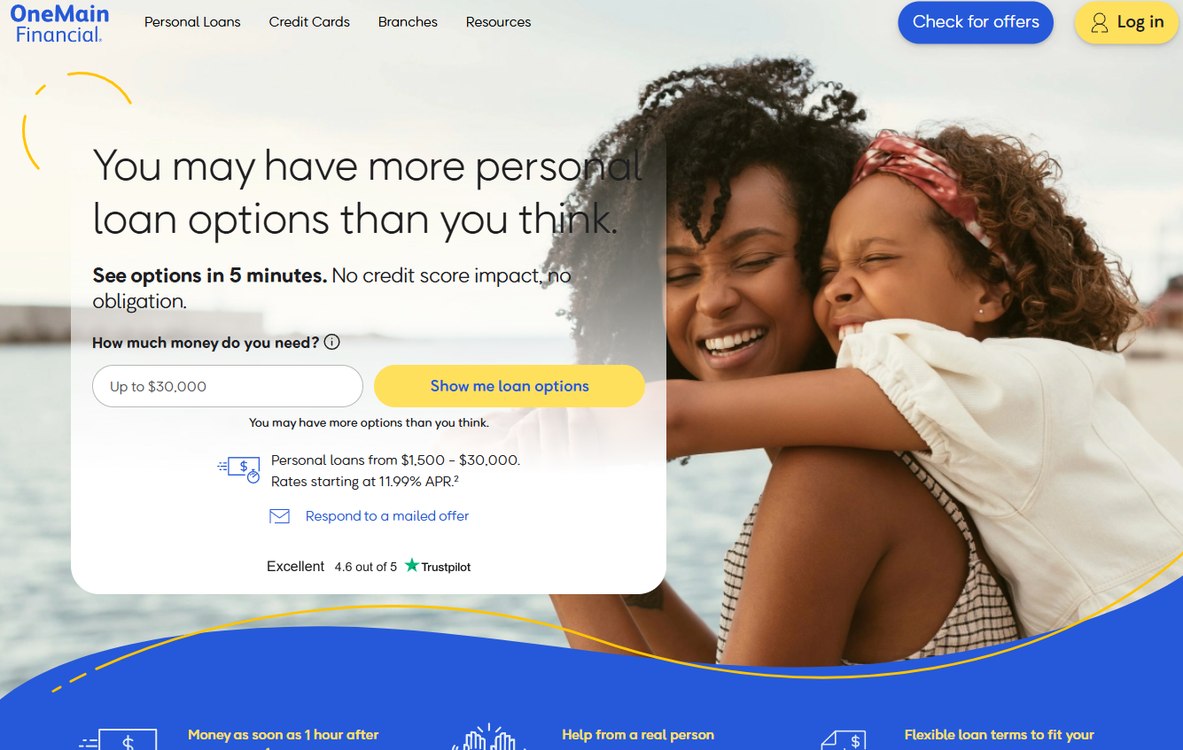
| OneMain Financial | $1,500 – $30,000 | From 11.99% APR | As soon as 1 hour | See website |
1. Avant

Avant strives to support individuals navigating life’s unpredictable turns. They provide several financial tools, ranging from installment loans to credit cards, specifically designed for those seeking a fresh start. Their methodology diverges significantly from the rigid standards of major banks. Instead of relying strictly on FICO scores, they utilize a custom model to assess various financial health indicators.
This makes them a sensible option for managing debt or building an emergency cushion. Whether you face an unexpected car repair that threatens your ability to attend interviews, or simply need to merge multiple debts into one single payment, their structure is helpful. They are particularly useful for people transitioning between roles or dealing with inconsistent pay cycles.
Pros:
- Versatile loan products for various needs
- Offers credit card alternatives to loans
- Focuses on long-term financial progression
- Interest rates are not always publicly disclosed
2. Upgrade
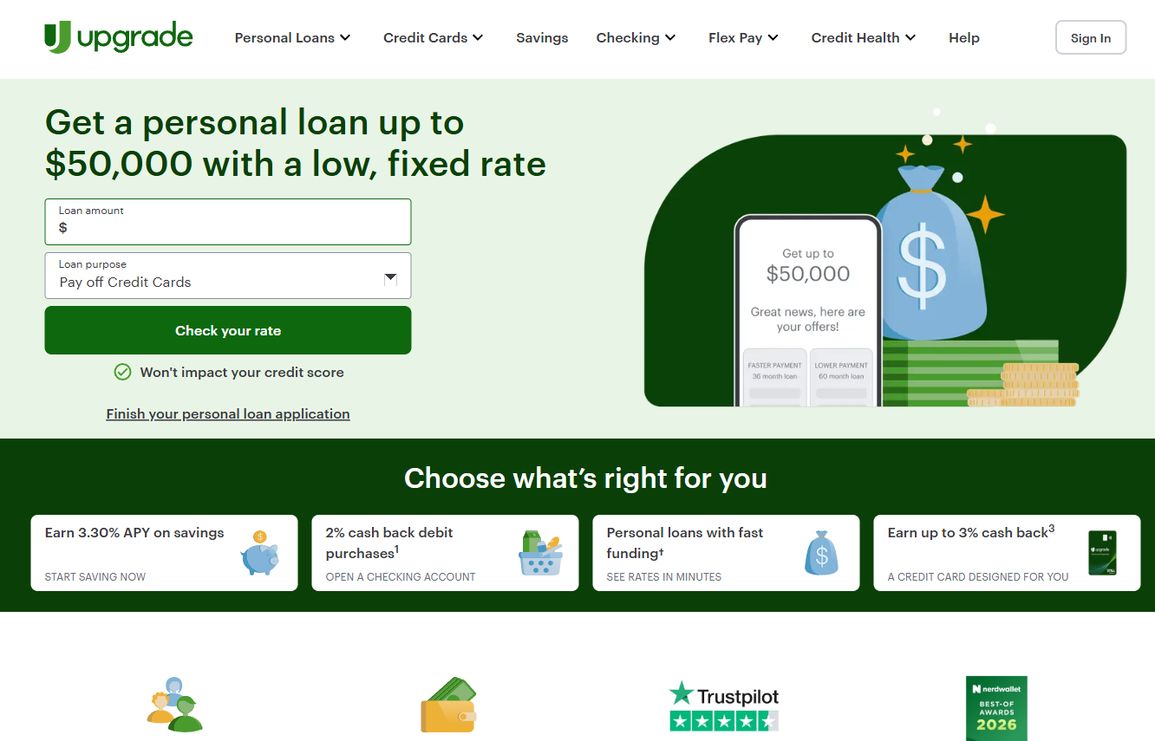
A heavy hitter in the personal lending space, Upgrade offers significant capital, reaching up to $50,000. Their funds can cover everything from major home renovations to large, one-off expenses. The platform is built for high-speed efficiency. You can investigate your potential rates in minutes using a “soft pull” that won’t damage your credit score during the initial inquiry.
This non-impactful credit check is a lifesaver when time is of the essence. It allows you to shop for competitive terms without stacking up hard inquiries that might lower your score. Additionally, their checking account provides cash back on debit purchases, positioning them as a comprehensive financial hub for many users.
If you require substantial funds to settle debts or launch a project, Upgrade provides a very smooth digital journey. Because most interactions happen via smartphone, it is perfectly suited for those without constant access to a computer or a local bank branch. This service is truly built for the modern, mobile-first era.
Pros:
- Large loan ceilings up to $50,000
- Quick rate checking with no score impact
- Debit card rewards through checking accounts
- Premium rates may require better credit
3. FastLendGo
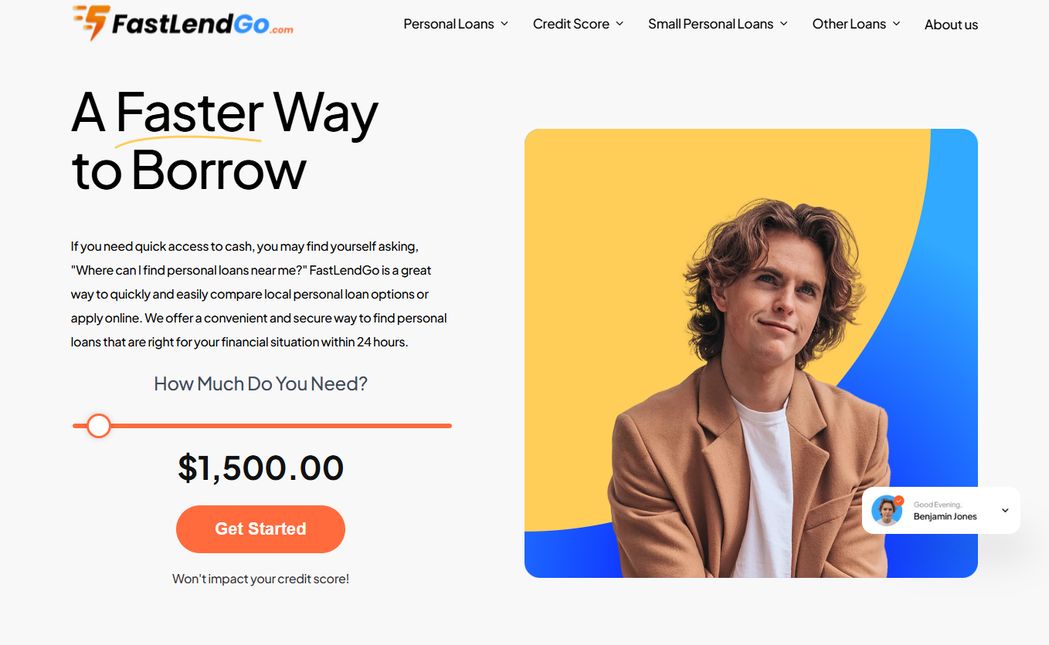
FastLendGo is an excellent fit for individuals requiring immediate cash for urgent, specific emergencies. They specialize in smaller personal loans, with entry points starting at $500. This makes them a top choice for sudden dental bills, car repairs, or securing a utility deposit. Because the loan amounts are smaller, the barrier to entry is often lower than with traditional banks. (fastlendgo.com)
Their service model prioritizes simplicity and ease of use. You can quickly weigh your options through their online interface. Regardless of whether your credit is fair, bad, or good, they maintain product tiers tailored to your specific situation. For example, someone with a “fair” score and steady income might find better terms here than at a massive national institution.
This is a highly accessible resource for anyone in a bind who needs a quick cash infusion to prevent a small crisis from spiraling. It is designed to provide immediate relief for immediate, pressing problems.
Pros:
- Low entry threshold at $500
- Tailored for auto or dental needs
- Fast comparison of various local options
- Smaller loan limits may limit large debt relief
4. Wells Fargo
Wells Fargo stands as a massive, long-standing pillar of the financial world. They provide an exhaustive range of services, including checking accounts and specialized loans for homes or vehicles. As a cornerstone of American banking, they offer a level of institutional stability and physical accessibility that many newer fintech companies simply cannot replicate.
However, being unemployed can make securing a loan here feel like a steep climb. Traditional banks generally require documented evidence of steady employment for at least two years alongside a stable debt-to-income ratio. They are typically not in the business of taking risks on borrowers lacking a verifiable, consistent paycheck.
That said, their diverse product lineup makes them a premier destination for rebuilding your financial footing once you land a new role. If you are an existing customer, it is wise to speak with a representative regarding hardship assistance. Sometimes, a direct human conversation can unlock doors that an automated algorithm keeps shut.
Pros:
- A vast array of financial services
- A highly reputable and established brand
- Broad options for wealth management
- Strict requirements for standard loans
5. NetCredit
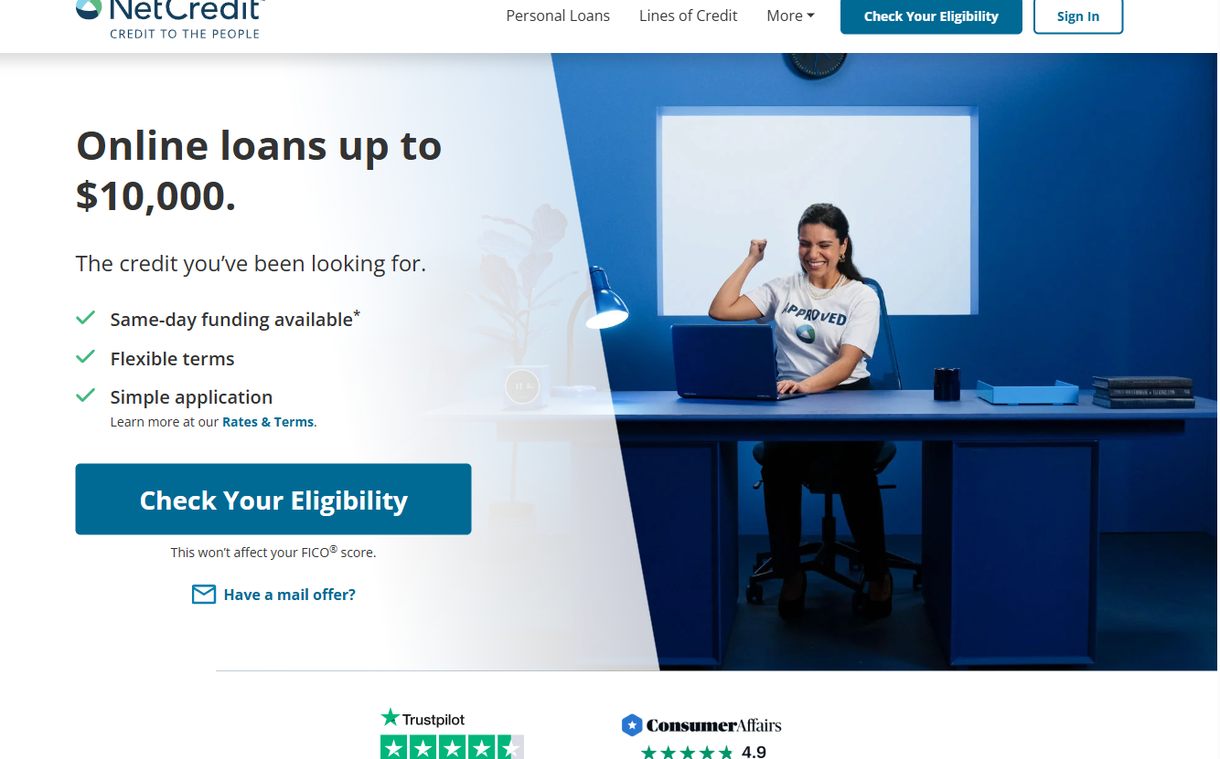
NetCredit operates on the principle that you are far more than just a data point. They utilize sophisticated algorithms to look beyond the standard FICO score. This approach can be a lifeline for people with less-than-perfect credit who still require significant funding. By examining how you manage rent or utility payments, they can detect reliability that a standard credit report often misses.
With funding options reaching up to $10,000 and the possibility of same-day cash, they prioritize speed above all else. The application process is straightforward, making it a tempting option for covering sudden expenses or managing high-interest debt. It is a common strategy to take several small, expensive credit card balances and consolidate them into one single, lower-interest payment.
Pros:
- Advanced underwriting via intelligent algorithms
- Same-day funding is often available
- Loan amounts reach up to $10,000
- Must follow underwriting rules of partner banks
6. OneMain Financial
Calculating What This Debt Really Costs You
Don’t let a signature fly off the handle before you grasp the gap between your monthly installment and the Annual Percentage Rate (APR). While the monthly bill feels immediate, the APR tells the whole story by combining interest with required service charges. It acts as your financial compass when navigating stormy waters.
When you are staring down an empty bank account, it is easy to get tunnel vision regarding the monthly due date. However, chasing a small, manageable payment can lead you straight into a quagmire if the repayment period stretches too far. It’s a siren’s song that leads many into deep financial trouble.
Imagine a $500 monthly obligation. On the surface, it seems perfectly digestible for a tight budget. Yet, if that commitment lasts for sixty months, you will end up handing back significantly more cash than you ever took out. This perceived ease is nothing more than a clever mirage designed to hide a mountain of debt.
Keep these three critical metrics in your back pocket when you are weighing different options:
- The Full Price of Credit: Take your monthly amount, multiply it by the total months, and then tack on any initial costs. This figure represents the genuine expense of your borrowed funds.
- Early Payoff Charges: If you land a fresh position and decide to settle your debt ahead of schedule to dodge extra interest, verify if a penalty exists. Always hunt for a “no prepayment penalty” provision in the fine print.
- Processing and Setup Fees: Certain lenders will skim a portion of your funds before the money even hits your hands. If you request $1,000 but only receive $950, your effective interest rate is much steeper than the headline figure suggested.
Smart Moves to Rebuild Your Finances
Think of a loan during a period of joblessness as a life raft, not a luxury cruise. You should strictly dedicate these funds to the absolute necessities, such as your groceries, rent, electricity, and commuting costs. It is vital to avoid spending this cash on maintaining a social image that your current bank balance simply cannot sustain.
The primary objective here is to purchase a little breathing room. You want enough runway to secure your next role without finding yourself buried under a mountain of expensive interest. Using borrowed money to cover your basic survival needs is a tactical move, whereas using it to fund an outdated lifestyle is a recipe for disaster.
While you are navigating these choppy waters, following a specific roadmap can help safeguard your mental health and your credit score. Taking these deliberate steps will ensure you stay afloat while working toward long-term stability.
- Reach Out to Lenders Early: If you realize you might stumble on a mortgage or vehicle payment, don’t wait for the late notice. Pick up the phone and talk to your creditor immediately. Most institutions offer hardship arrangements or temporary forbearance specifically for people in your situation.
- Focus on Survival Costs: When the budget gets tight, your hierarchy of payments must change. Food, shelter, and utility bills should always take precedence over credit card debts. While your score is important, you cannot eat a high credit rating.
- Cut the Fat on Subscriptions: It might seem like a drop in the bucket, but trimming a gym membership or a monthly streaming service can save you $50 or $100 every month. Those small victories aggregate into significant savings when you are living on a shoestring budget.
- Keep a Paper Trail: Create a dedicated folder for every single email, loan agreement, and application you submit. Having a meticulous record of every interaction with lenders acts as your best defense if a legal or financial dispute arises down the road.
When you are in a career transition, every cent is precious. A single misstep can become a very costly mistake. You must scrutinize the fine print and focus on the total cost of borrowing rather than just looking at the monthly installment. Getting caught in a high-interest trap while you are already struggling is a nightmare scenario.
Avoid the temptation to hunt for several different small loans simultaneously. This is a fast track to a debt spiral that is incredibly difficult to break. Instead, aim for a single, cohesive solution that targets your most pressing problem and offers a repayment plan that aligns with your actual income.
If the situation becomes overwhelming, remember that high-interest debt isn’t your only option. Sometimes, talking to your current lenders or exploring community assistance programs can offer more significant relief than a new loan. You must constantly weigh the immediate necessity of cash against the long-term consequences of the interest.